It represents the minimal bioactive fragment commonly utilised in research settings to investigate melanocortin-associated signalling independently of the full-length peptide

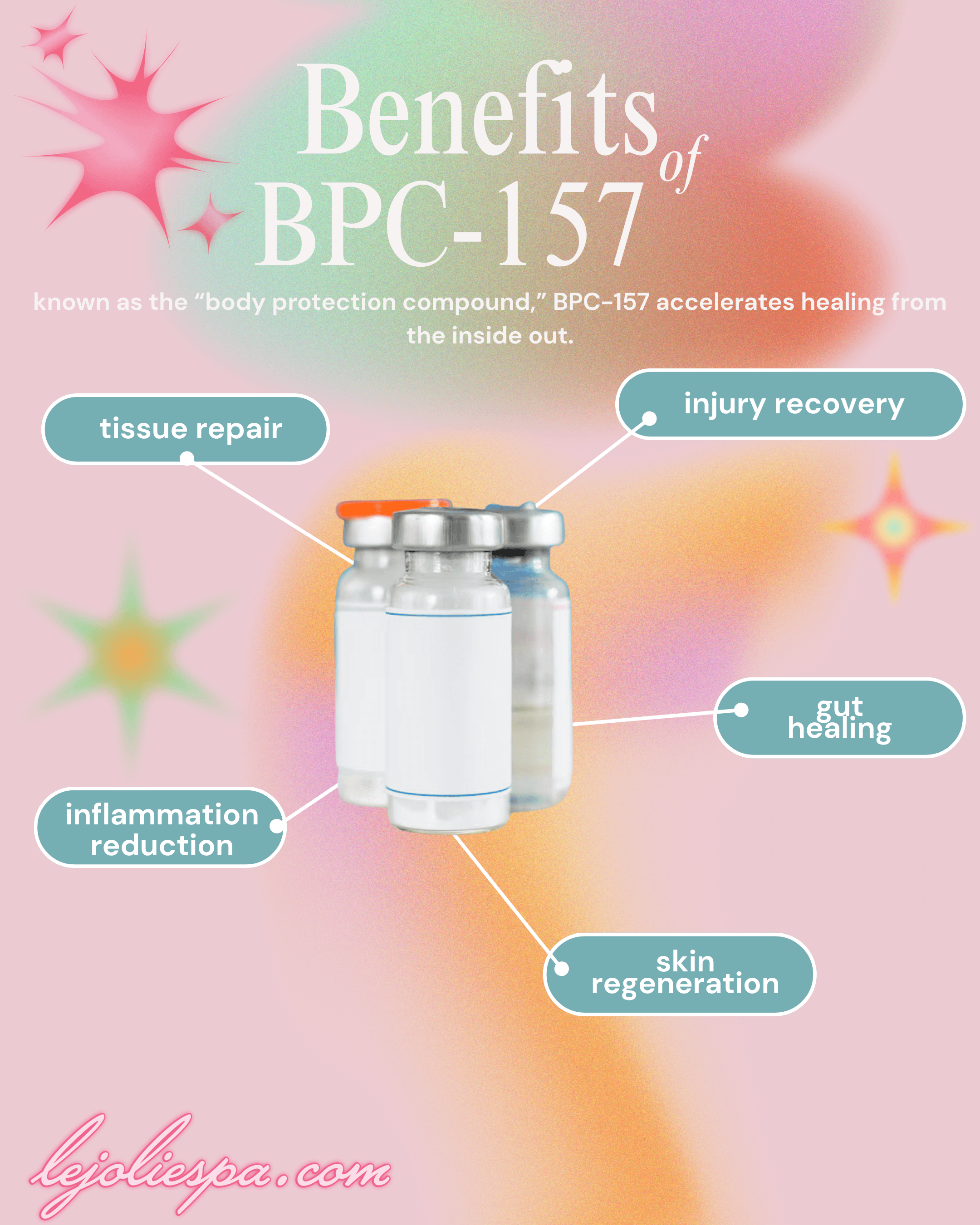
Key mechanisms include: Angiogenesis Promotion : It up-regulates vascular endothelial growth factor (VEGF), enhancing blood vessel formation to improve nutrient delivery to damaged tissues.[6] Nitric Oxide (NO) Modulation : BPC-157 interacts with the NO system to support vasodilation and anti-thrombotic effects, aiding in wound healing and reducing inflammation.[7] Growth Hormone Receptor Enhancement : It increases expression of growth hormone receptors, facilitating cell proliferation and repair in muscles, tendons, and ligaments.[8] Cytoprotection and Anti-Inflammatory Effects : By protecting cells from toxins (e.g., alcohol, NSAIDs) and modulating inflammatory pathways, it maintains tissue integrity, particularly in the GI tract and central nervous system (CNS).[9] Neuroprotective Interactions : It influences dopamine and glutamate systems, potentially mitigating brain damage from trauma or ischemia.[10] These actions make BPC-157 a versatile agent in regenerative medicine, often compared to "Wolverine-like" healing in anecdotal reports from users

PepPal editorial
Quick Summary Learn how to accurately diagnose vitamin B12 deficiency using serum B12, MMA, and homocysteine markers
Your doctor will provide you with the necessary advice
For tighter control in small-dose protocols, some researchers prefer 1 mL of bac water to keep the solution strong