National Institutes of Health (NIH) recommends the following daily amounts: Infants (06 months) : 0.4 mcg Children (18 years) : 0.91.2 mcg Adolescents (913 years) : 1.8 mcg Teens (1418 years) : 2.4 mcg Adults : 2.4 mcg Pregnant : 2.6 mcg Lactating : 2.8 mcg 4.2 Oral Supplementation For individuals at risk of deficiencyor those aiming for optimal neurological supporthigher oral doses are often used: Maintenance : 1,000 mcg daily of methylcobalamin Correction : 2,0005,000 mcg daily until blood markers normalize Form : Methylcobalamin preferred for direct nervous system uptake, though cyanocobalamin is also effective
Using this calm, controlled technique helps the B12 sit on the nasal lining long enough to be absorbed instead of being swallowed
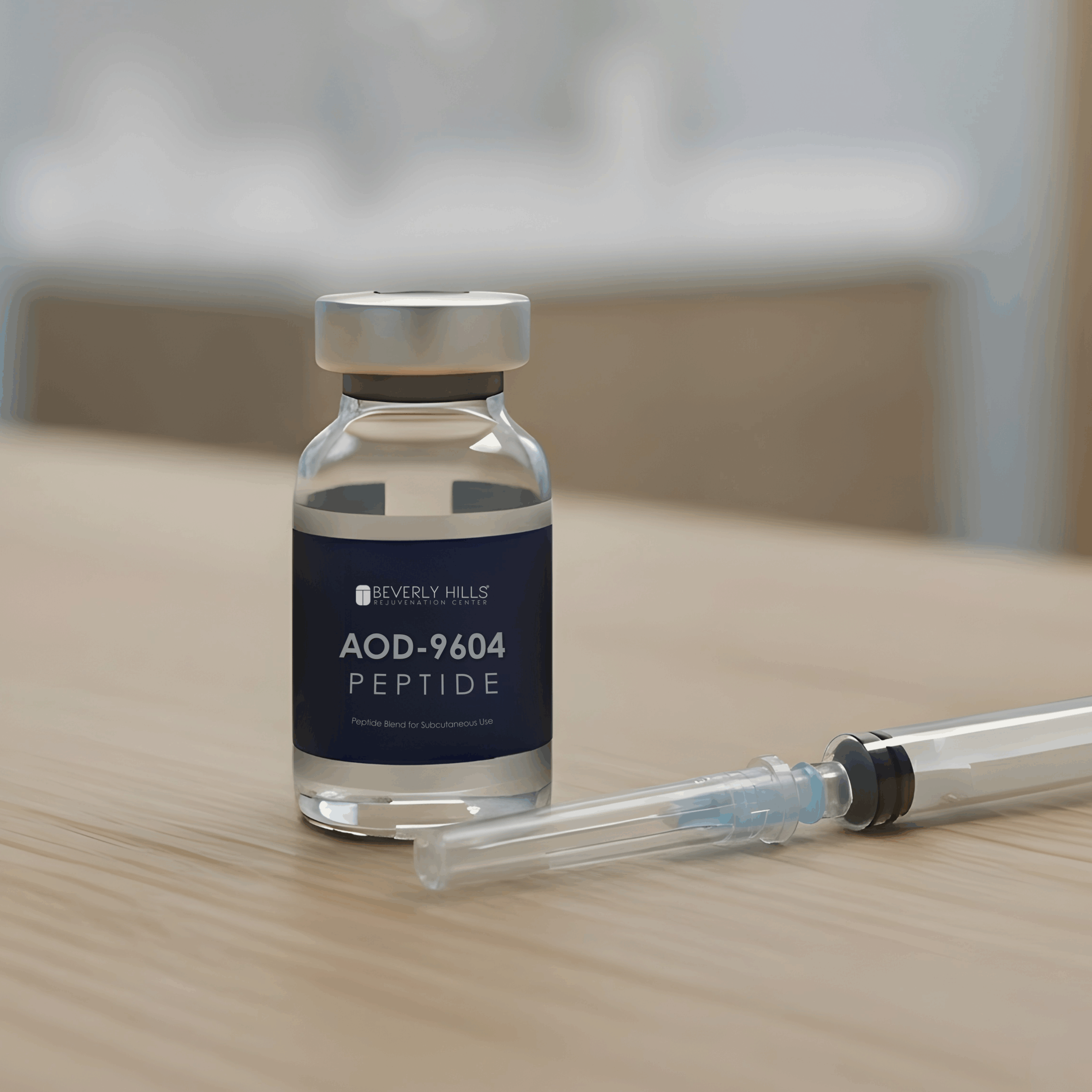
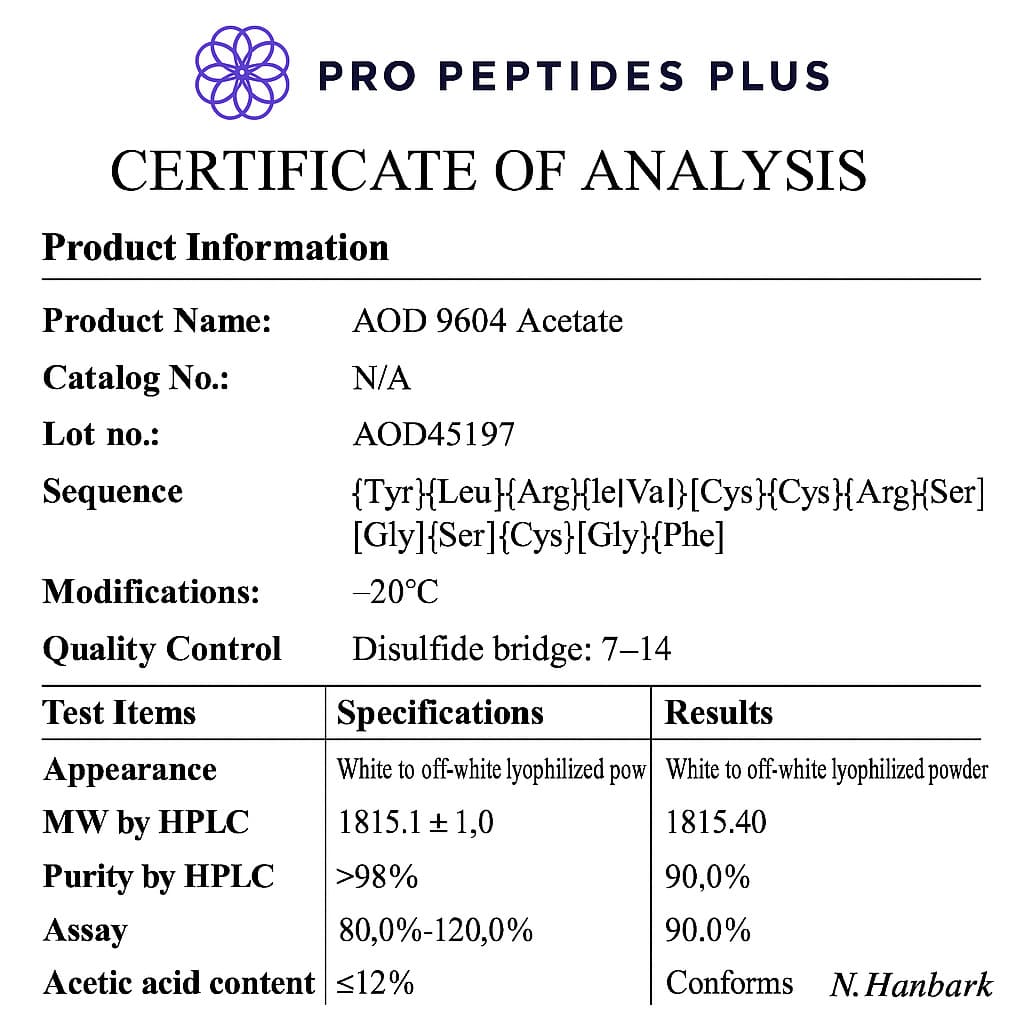
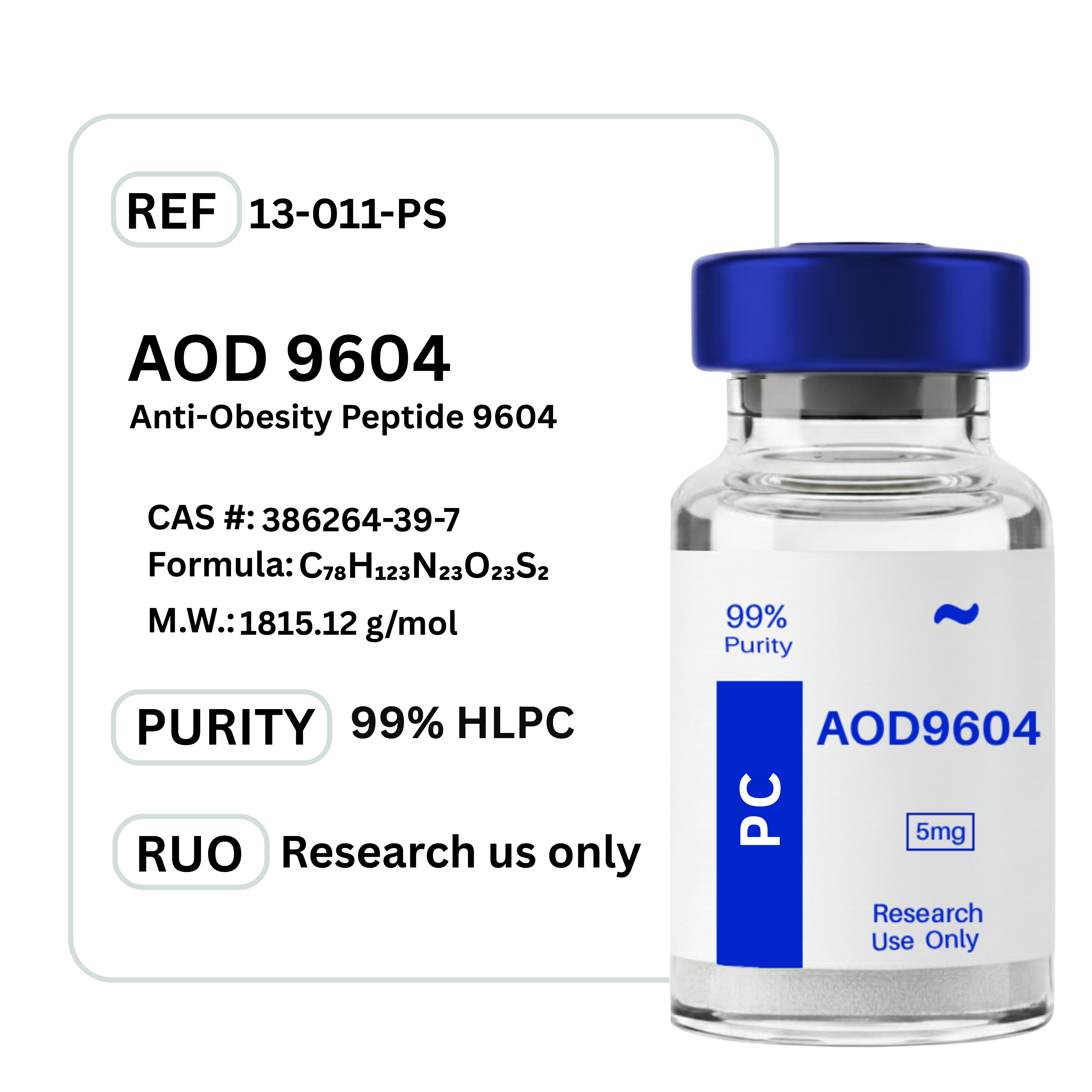
Research professionals have found that this peptide works by mimicking the fat-burning action of hGH, activating specific pathways in metabolic processes to encourage fat utilisation for energy
Is Any Lab Test Now, Royal Oaks open on the weekends
Mitochondrial Proton Leak Plays a Critical Role in Pathogenesis of Cardiovascular Diseases
This essential vitamin plays a vital role in brain function, nervous system, the production of DNA and red blood cells, as well as enhancing the activity of certain immune cells and can help with weight loss