Whether this is three per year or a course of three or three in a lifetime is not at all clear and left to individual clinicians judgement and experience
The researchers examined the impact of these interventions through a biochemical characterization of brain homogenates, quantifying oxidative and inflammatory markers such as lipid peroxides, glutathione (GSH), glutathione S-transferase (GST), 5-lipoxygenase (5-LOX), cyclooxygenase-2 (COX-2), leukotriene B4, prostaglandin E2, and ascorbic acid using spectrophotometric assays and ELISA
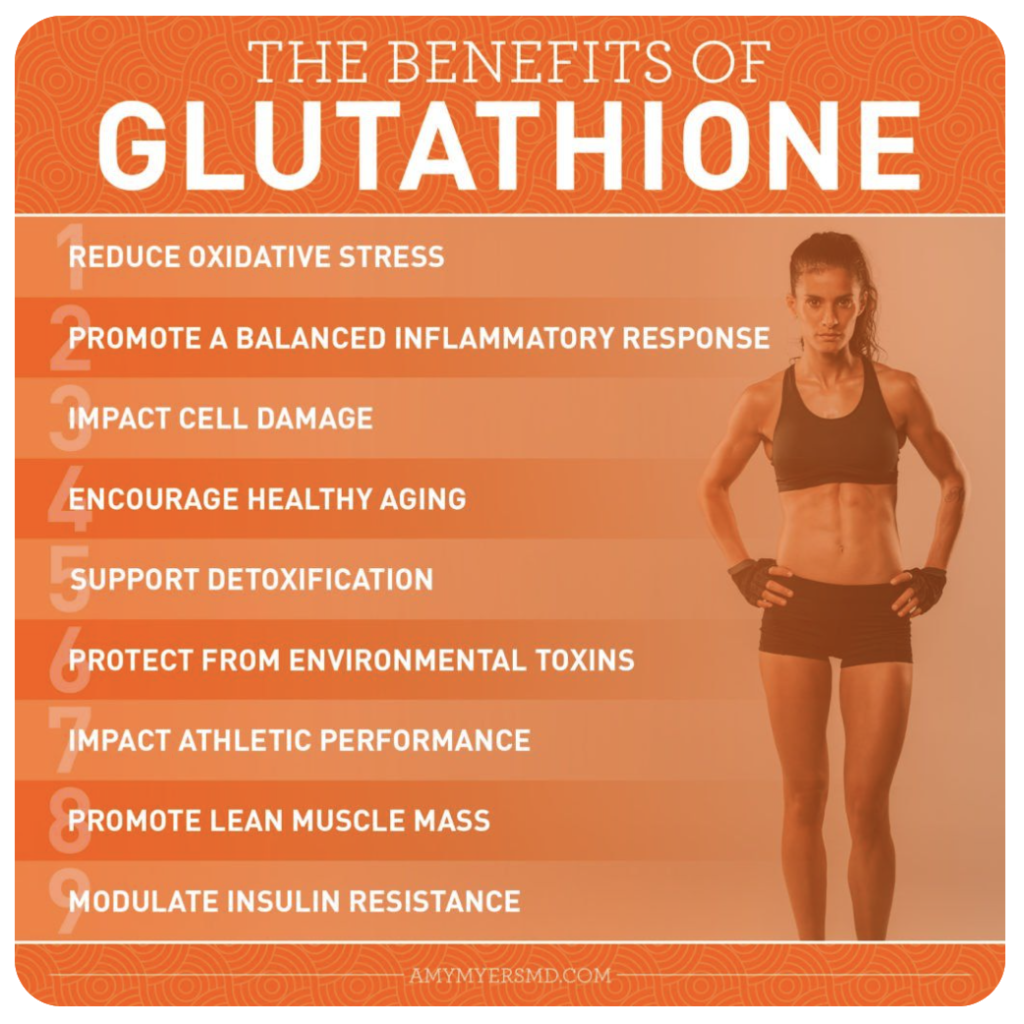
The most significant marker, considered a gold standard, was F2-isoprostane and this was significantly more reduced by oral Acetylglutathione than with the IV glutathione.[11],[12] Oral S-Acetyl Glutathione, dosed 200mg daily for 7 days, AM IV 1400mg, single dose Serum and urine tested after 1 week of administration N=6, (4 female, 2 male, average age 45) Markers chosen are measures of Antioxidants F2-Isoprostane is the Gold Standard of oxidative stress markers Conclusion: Oral S-A GSH compares favourably to a one-time, equivalent dose of IV administered Glutathione GSH : Blood levels are lower in the A-GSH group as compared to the IV group because the A-GSH is being taken up by the cell.[13] This is substantiated by the following markers: F2-Iso : (F2- isoprostane ) measurement of redox status and oxidative stress

Like, there's a million things we could do that are way more logical and reasonable than starting to stick a kid with an injectable that they're going to take the rest of their life
These muscle stem cells differentiate into myoblasts and then fuse with existing fibers or form new ones
The key difference between l glutathione and S-Acetyl-L-glutathione is that l-glutathione is the abundant isomer form of glutathione, whereas S-Acetyl-L-glutathione is a derivative of glutathione
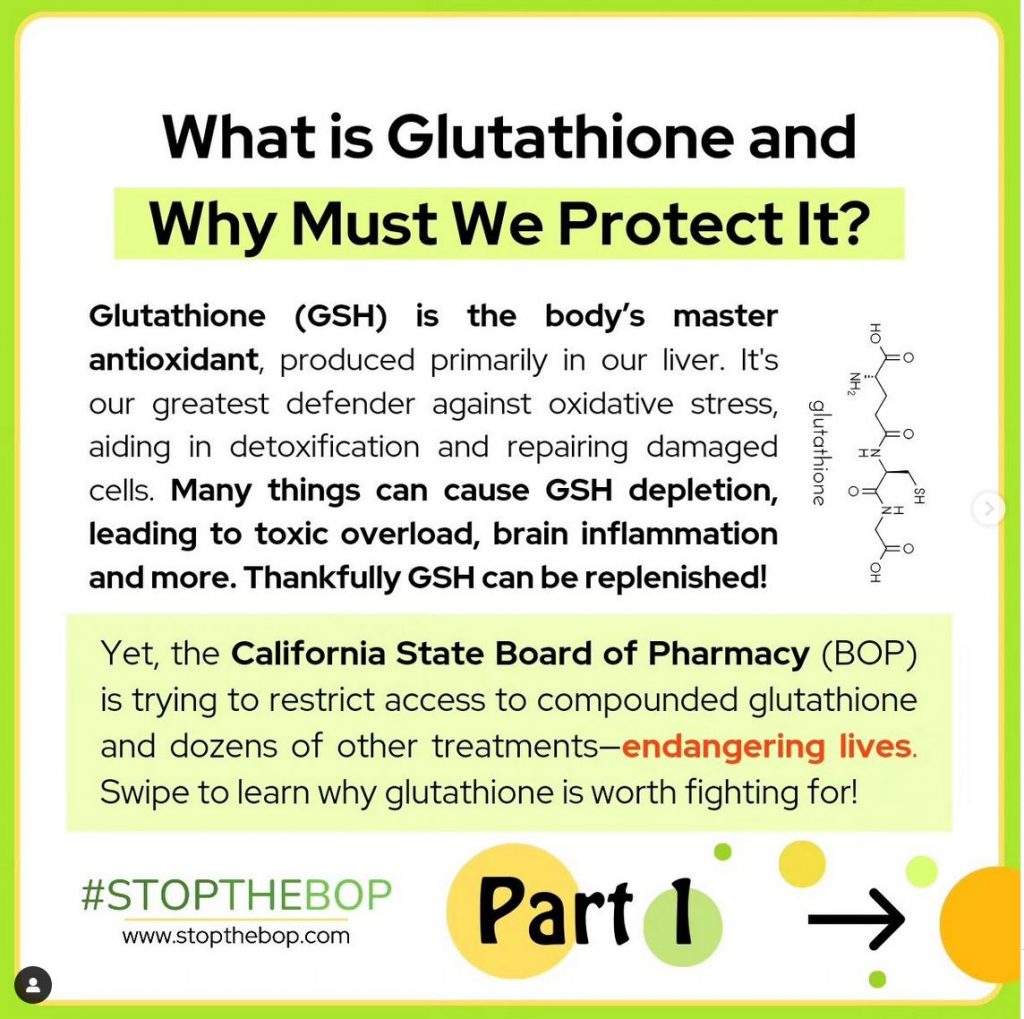



:max_bytes(150000):strip_icc()/benefits-of-glutathione-89457_final-01-502464fe91b2444285b0cccf8cb0a33c.png)