Quality sleep is crucial for the bodys ability to repair and regenerate tissues
Excessive differentiation of preadipocytes into mature adipocytes increases adipocyte number and size, ultimately leading to obesity
Tell your doctor what else you are taking to make sure it is safe

Once hydrated and glucose 5% of hepatocytes NAFL without hepatocyte damage NASH with hepatocyte damage Strong associations has been found with: obesity, diabetes, metabolic syndrome, PCOS, prolonged TPN, certain drugs Excess energy intake cause fat formation as vesicles inside hepatic cells that lead to steatosis Complications Fibrosis (3040%) Cirrhosis (10%) Hepatocellular carcinoma (HCC) Clinical Features -Mostly asymptomatic -RUQ pain, acanthosis nigricans -End-stage cirrhosis symptoms -Elevated LFT (25x), Ferritin (up to 60% cases) Diagnosis -Imaging: Ultrasonography, Ultrasonic elastography, MRE, Fibroscan - Liver biopsy for unexplained prolonged LFT elevation --- Treatment Strategies Lifestyle modification (510% weight loss) Caffeinated drip coffee fibrosis & HCC risk Omega-3 fatty acids intake Thiazolidinediones ( insulin sensitivity, inappropriate lipolysis) Vitamin E (not recommended more than 400Unites/day in diabetes) Bariatric surgery (effective in morbid obesity) Last resort: Liver transplant To view or add a comment, sign in Berberine ameliorates diabetic nephropathy by inhibiting TLR4/NF-B pathway Liping Zhu 1, Jiakai Han 1, Rongrong Yuan 1, Lei Xue 1, Wuyan Pang 2 Affiliations Expand PMID: 29604956 PMCID: PMC5878418 DOI: 10.1186/s40659-018-0157-8 Abstract Background: Diabetic nephropathy (DN) is the leading cause of end-stage renal failure, contributing to severe morbidity and mortality in diabetic patients

The Importance of Documentation for Insurance Authorization Successful UnitedHealthcare GLP-1 authorization requires comprehensive medical documentation establishing clinical necessity
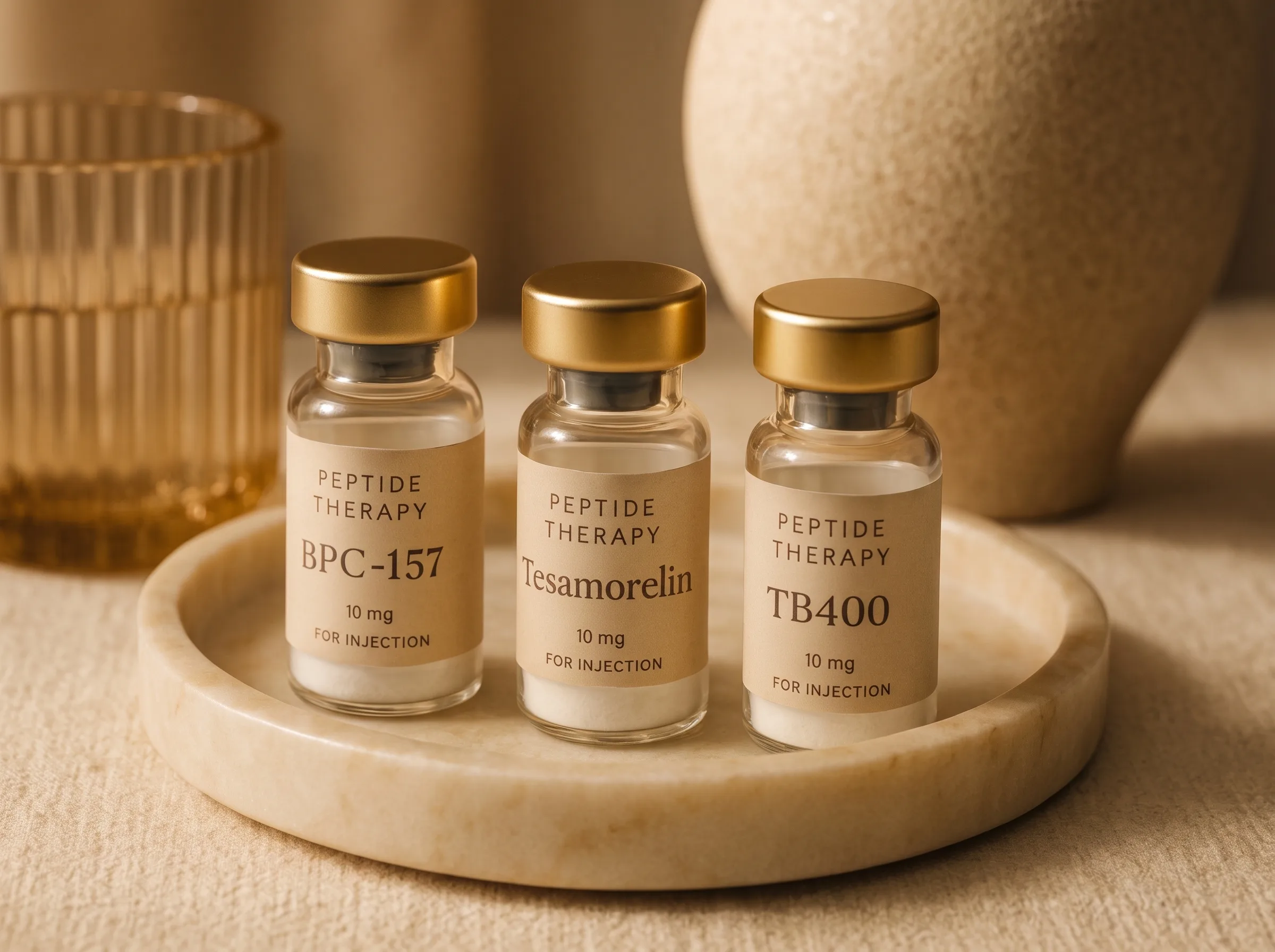
Researchers use these models to understand how BPC-157 might mitigate mucosal damage, promote ulcer healing, and maintain the integrity of the gastrointestinal epithelial barrier