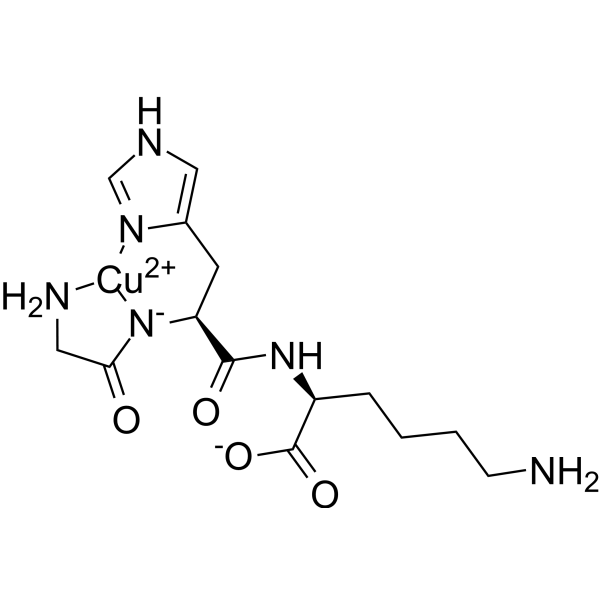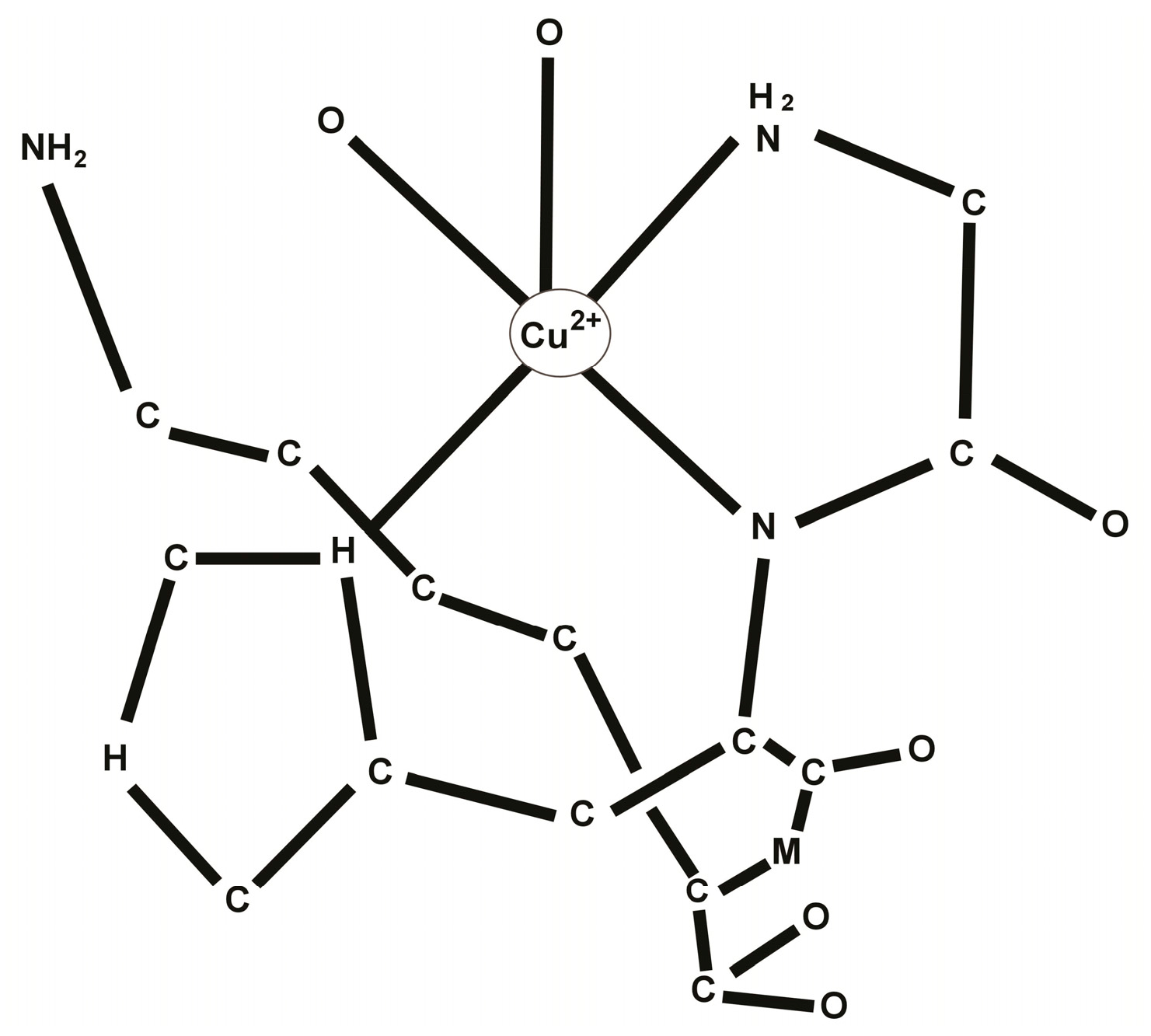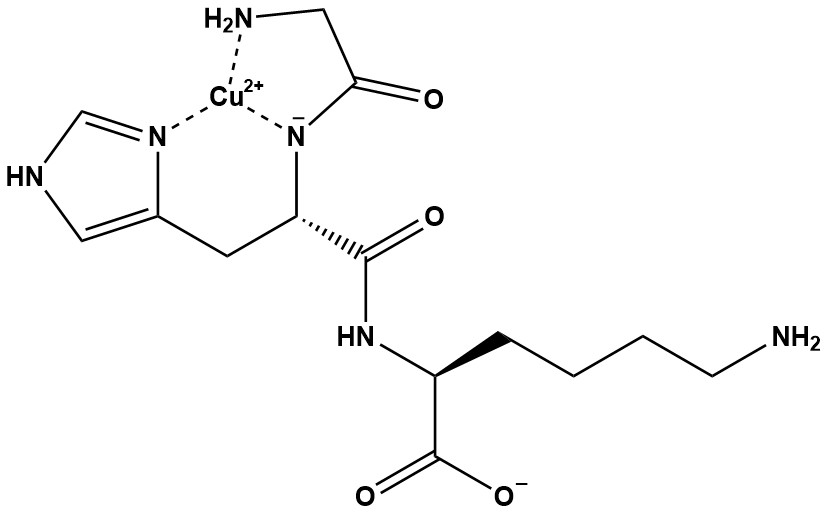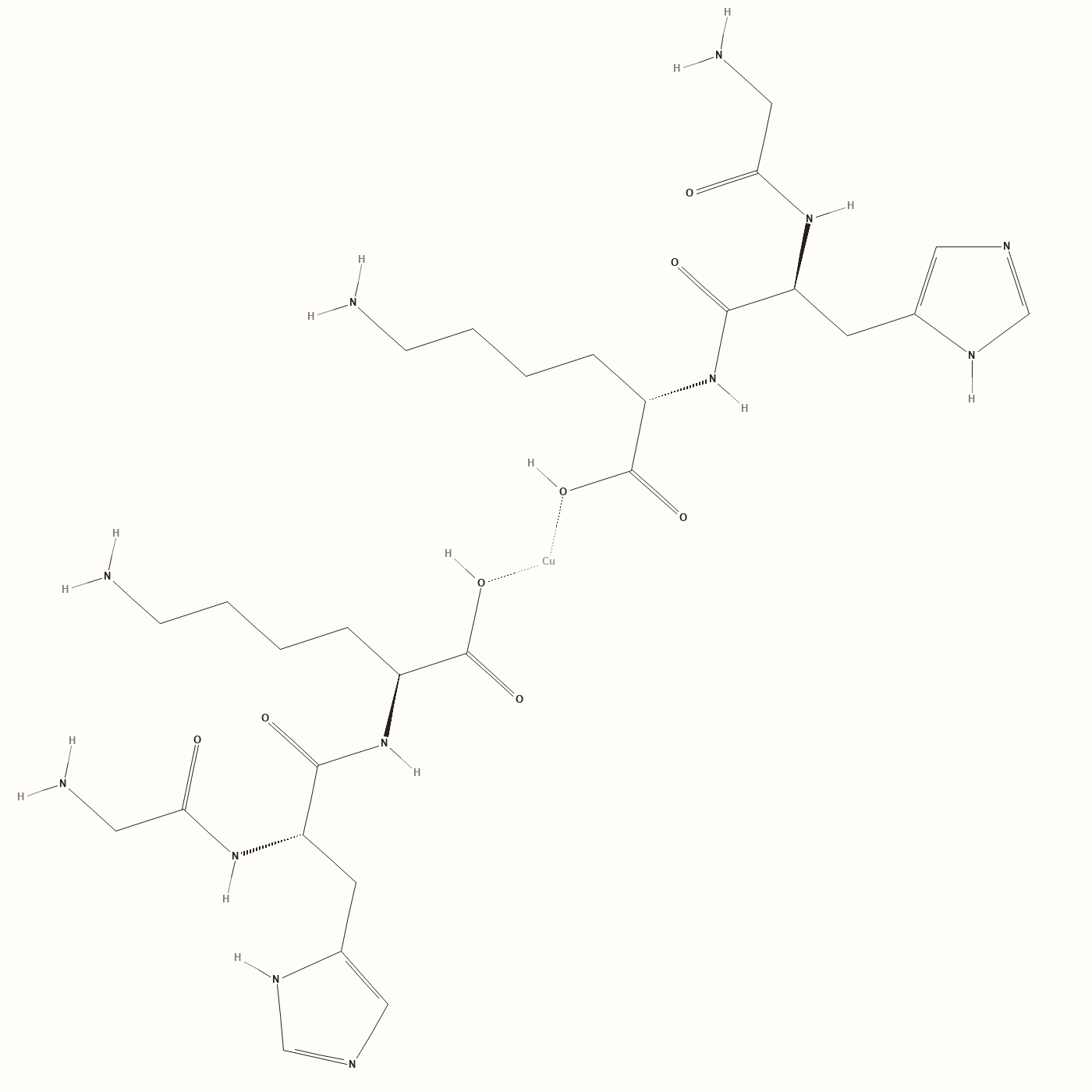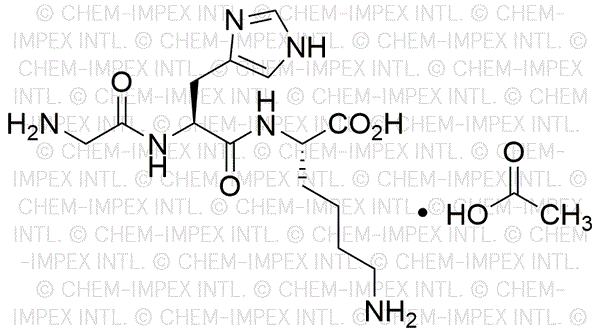
GHK-Cu Peptide Guide: Uses, Research Value, and Quality The GHK-Cu peptide has become one of the most actively studied copper-binding tripeptides in modern biochemical research and for good reason
10.1016/j.ghir.2014.01.005 85
Onderzoeksapplicaties Onderzoek naar interactiemechanismen van peptiden en receptoren Studie van koper-afhankelijke cellulaire signaalroutes Analyse van biochemische processen gerelateerd aan de extracellulaire matrix Gebruik in biochemische en cellulaire onderzoekmodellen met peptide signalering Belangrijkste kenmerken Gevriesdroogd peptide van hoge zuiverheid (99,1%) Natuurlijk voorkomend kopergebonden tripeptide Stabiele moleculaire structuur geschikt voor laboratoriumonderzoek Ontworpen voor gecontroleerde biochemische en cellulaire studies Inhoud Samenstelling: GHK-CU (koper-tripeptide-1) Formulier: Gelyofofiliseerd poeder CAS-nummer: 49557-75-7 Opslaginformatie Koel, droog en beschermd tegen licht bewaren Koelen aanbevolen voor maximale stabiliteit Gebruik binnen het aanbevolen tijdsbestek na reconstitutie Alleen voor onderzoeksdoeleinden

The innovative delivery method of a peptide nasal spray allows for direct absorption into the bloodstream, potentially bypassing the digestive system for more rapid effects
BPC-157 (Body Protection Compound-157) is a synthetic research peptide studied for its role in cellular signaling, tissue integrity, and adaptive biological responses under controlled experimental conditions
Mice treated with Deltaran had slightly lower body weight with age and experienced a slower decline in reproductive function