Molecular Advantages of Blood-Brain Barrier Penetration and Targeted Localization SS-31, leveraging its unique molecular structural characteristics (cationic aromatic motif balanced with moderate hydrophilicity and hydrophobicity), can overcome the physiological barrier limitations of the blood-brain barrier
Cryopreservation method for Drosophila melanogaster embryos
The first step is going to be to draw a half a milliliter of DMSO solution into a drawing syringe
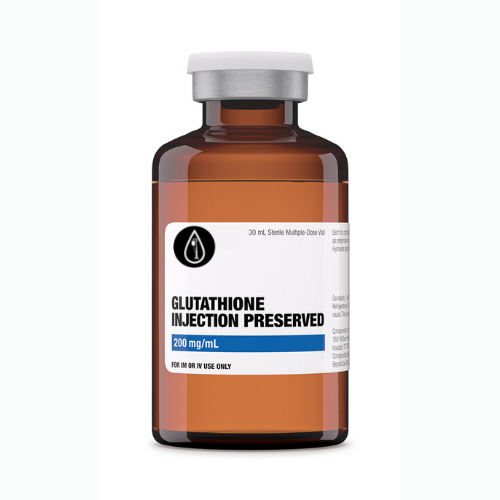
Ingredients: Water, Triethylhexanoin, Hydrogenated Poly(C6-14 Olefin), Butylene Glycol, 1,2-Hexanediol, Methyl Propanediol, Niacinamide, Phenyl Trimethicone, Diethoxyethyl Succinate, Polyglyceryl-10 Myristate, Fragrance, Hippophae Rhamnoides Oil, Ethylhexyl Glycerin, Allantoin, Hydrogenated Lecithin, Hibiscus Esculentus Fruit Extract, Corchorus Olitorius Leaf Extract, Carum Petroselinum (Parsley) Extract, Glutathione, Sodium Gluconate, Adenosine, Cellulose Gum, Hexylcinnamal, Gluconolactone, Melia Azadirachta Leaf Extract, Linalool, Melia Azadirachta Flower Extract, Lavandula Angustifolia (Lavender) Flower Water, Hyacinthus Orientalis (Hyacinth) Extract, Centaurea Cyanus Flow Er Extract, Chamomilla Recutita (Matricaria) Flower/Leaf Extract, Curcuma Longa (Turmeric) Root Extract, Borago Officinalis Extract, Salvia Sclarea (Clary) Extract, Limonene, Alpha- Arbutin, Ocimum Sanctum Leaf Extract, Corallina Officinalis Extract, Thio Citric Acid, Biotin, Biotinoyl Tripeptide-1, Acetyl Hexapeptide-8, Tripeptide-1, Tri Peptide-3, Myristoyl Pentapeptide-17, Hexapeptide-9

The neurotoxicant, cuprizone, as a model to study demyelination and remyelination in the central nervous system
Dual Role of Mitochondria in Producing Melatonin and Driving GPCR Signaling to Block Cytochrome c Release. Proceedings of the National Academy of Sciences of the United States of America, vol