Vol. XVIII · Free shipping $75+ · Read the collection
Feature · Product Review
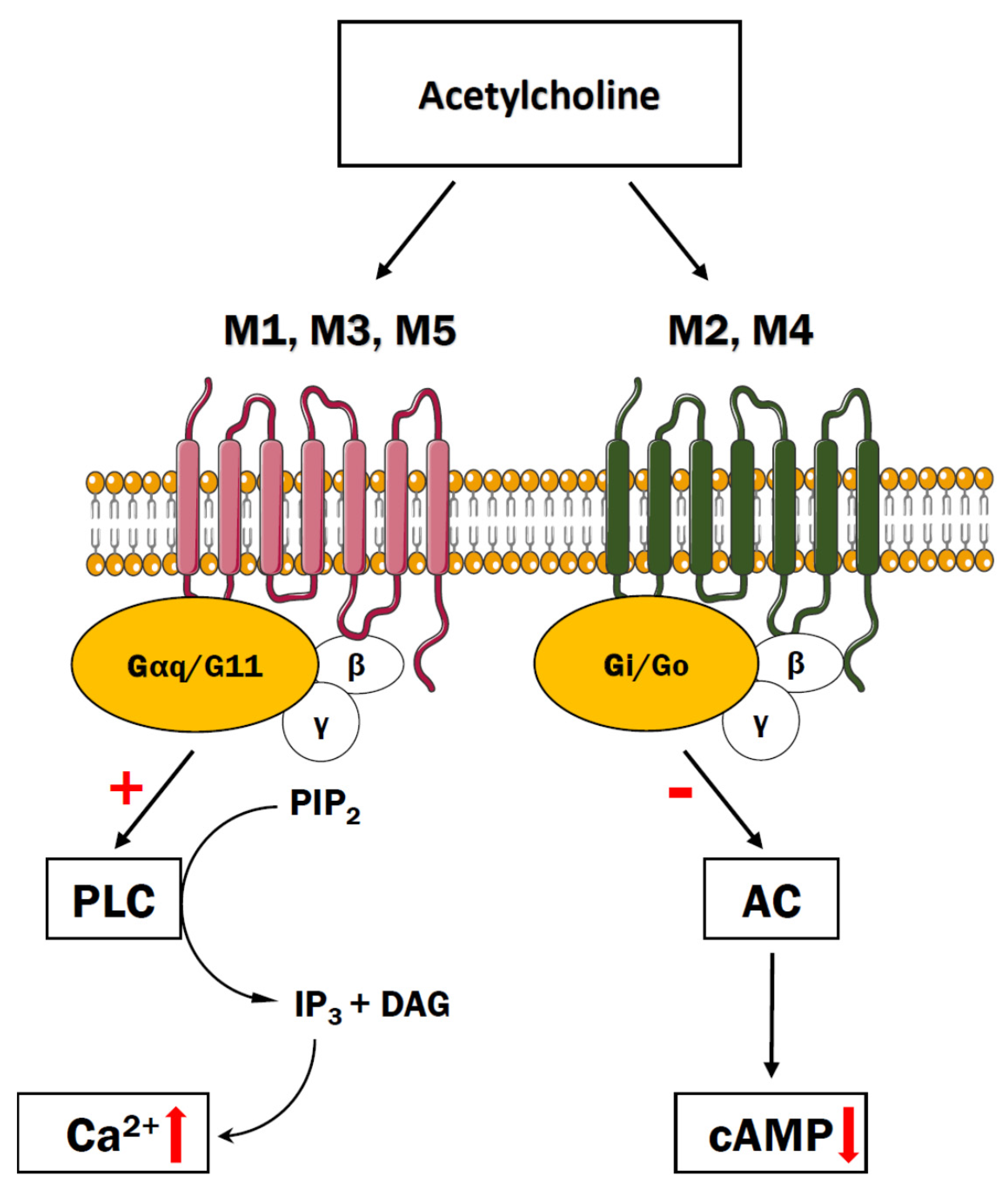
ghk-cu mechanism of action g-protein-coupled receptors

ghk-cu mechanism of action g-protein-coupled receptors G Protein-Coupled Receptors: A Century Research and Discovery In situ photo-crosslinkable hyaluronic acid-based

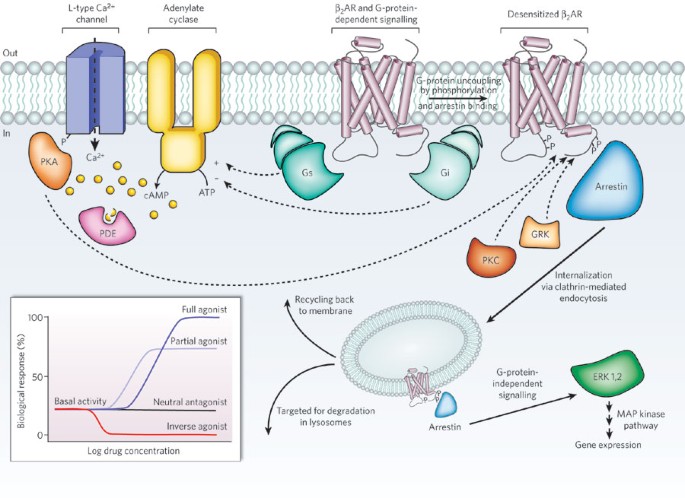
In situ photo crosslinkable hyaluronic acid based hydrogel embedded with GHK peptide nanofibers for bioactive wound healing ScienceDirect Peptide Spotlight: GHK Cu GHK Cu is a powerful copper peptide known for its regenerative and anti aging benefits. Naturally found in the body, this peptide plays an important role in skin repair The Role of G Protein Coupled Receptors (GPCRs) and Calcium Signaling in Schizophrenia. Focus on GPCRs Activated by Neurotransmitters and Chemokines G Protein Coupled Receptors in Cerebrovascular Diseases: Signaling Mechanisms and Therapeutic Opportunities The structure and function of G protein coupled receptors Nature ghk cu mechanism of action receptor desensitization Constitutive ghrelin receptor activity enables reversal of dopamine D2 receptor signaling: Molecular Cell

SKU: 96858733656 · From ristorantepizzerianarnali.it

4.4
USD28.21 USD52.21

Pay in 4 interest-free payments of $7.05 Learn more

Shipping Estimate
USA
  • USA
  • CAN

Ships within 48 hours · Estimated delivery Sep 8 - Sep 13

Description

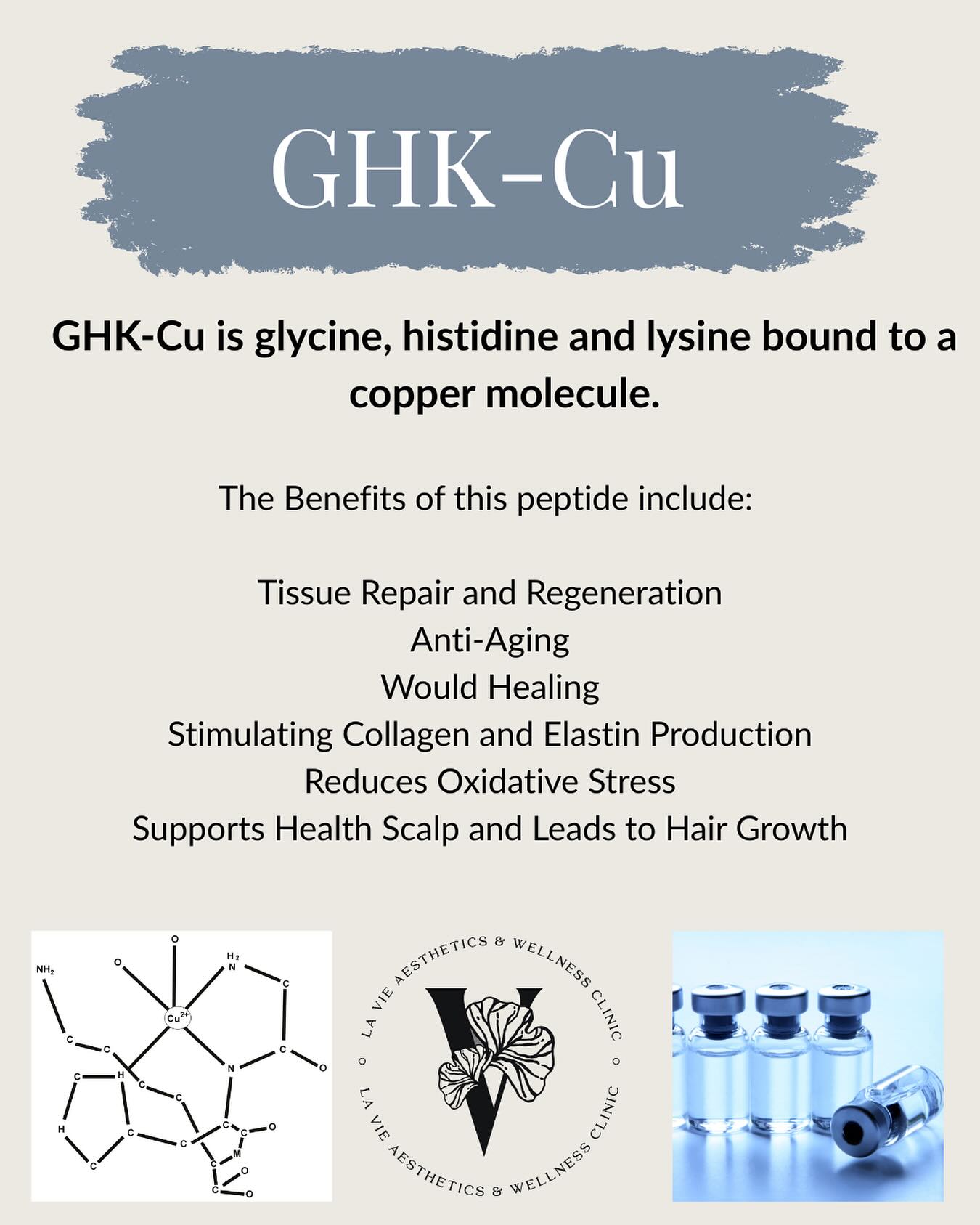
GHK appears to have a high affinity to copper and may regulate numerous biological processes, including wound healing, tissue repair, and immune response

ghk-cu mechanism of action g-protein-coupled receptors G Protein-Coupled Receptors: A Century Research and Discovery In situ photo-crosslinkable hyaluronic acid-based

Step 6: Complete cycle and rest Finish your planned active phase

ghk-cu mechanism of action g-protein-coupled receptors G Protein-Coupled Receptors: A Century Research and Discovery In situ photo-crosslinkable hyaluronic acid-based

This distinction matters because it affects insurance coverage, labeling, and how the medication is prescribed

ghk-cu mechanism of action g-protein-coupled receptors G Protein-Coupled Receptors: A Century Research and Discovery In situ photo-crosslinkable hyaluronic acid-based

This increase in cAMP may activate protein kinase A (PKA), which then appears to phosphorylate hormone-sensitive lipase (HSL) on specific serine sites

ghk-cu mechanism of action g-protein-coupled receptors G Protein-Coupled Receptors: A Century Research and Discovery In situ photo-crosslinkable hyaluronic acid-based

The specific side effects depend on the joint receiving the injections

ghk-cu mechanism of action g-protein-coupled receptors G Protein-Coupled Receptors: A Century Research and Discovery In situ photo-crosslinkable hyaluronic acid-based

An algorithm for treating TNF alpha inhibitor psoriasiform eruptions has been proposed and is based on severity of skin eruption and control of the underlying disease:11 Findings are mixed on whether TNF alpha inhibitors increase the risk of nonmelanoma skin cancer.14 In a meta-analysis of four observational studies with 28,000 patients, the risk of non-melanoma skin cancer was significantly higher among patients exposed to these drugs.14 However, the data are confounded by past or concomitant use of phototherapy or other immunosuppressive agents

ghk-cu mechanism of action g-protein-coupled receptors G Protein-Coupled Receptors: A Century Research and Discovery In situ photo-crosslinkable hyaluronic acid-based
Exchange/Return Notes
  • We offer a 30-day return/exchange service after receiving.
  • Final sale items are not eligible for returns or exchanges.
  • To process your return/exchange, please contact us at [email protected]
  • Please click here for more details>>> Return & Exchange Policy

You may also like

recommand products